

Technology is reshaping the world faster than ever before. From AI-powered tools to remote work platforms, the future of work is being built right now—and it’s transforming how people learn, communicate, and build careers. For anyone involved in technology, understanding these trends is essential. The next decade will reward those who stay curious, adaptable, and ready to embrace new digital skills.
Why Technology Is Changing the Future of Work
The rise of automation, artificial intelligence, cloud computing, and smart devices is creating a workplace that looks very different from the past. Technology isn’t replacing people—it’s changing what people do and how workplaces operate.
Key Drivers Behind the Change
- Automation and AI tools that can handle repetitive tasks
- Global connectivity, enabling worldwide collaboration
- Cloud platforms that support remote work
- Robotics improving manufacturing and logistics
- Data-based decision making, helping companies act faster and smarter
These shifts mean new opportunities and new challenges—but with the right skills, anyone in the tech world can thrive.
Real-World Examples of Technology Shaping Work
1. Remote Work Powered by Cloud Technology
Companies like Google, Microsoft, and Zoom have built digital tools that allow teams to work from anywhere. Today, remote jobs are common in fields like programming, design, marketing, and data science.
2. Automation in Industries
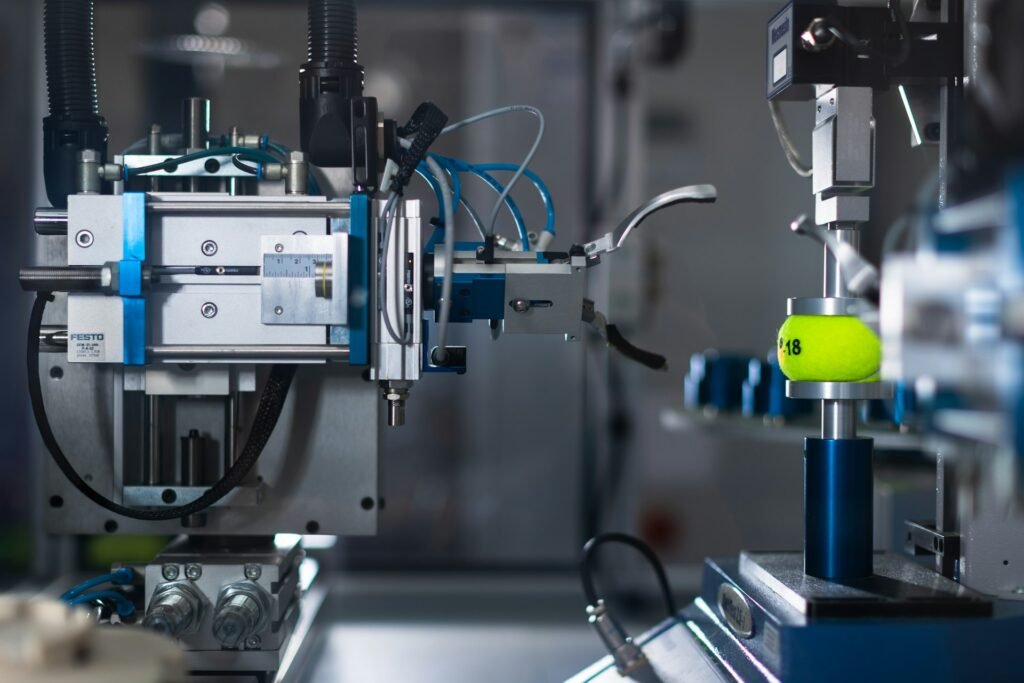
Factories now use robots to perform tasks that require precision and speed. In offices, AI assistants help schedule meetings, analyze reports, and filter emails.
3. AI-Enhanced Customer Service
Chatbots and virtual support systems help businesses provide 24/7 assistance. These tools improve customer experience while allowing human workers to focus on complex tasks.
4. Smart Tools in Education
Online learning platforms use AI to personalize lessons, track progress, and give feedback—making education more flexible and accessible.
Expert Opinions: What Leaders Predict
Top technology leaders often highlight how skills—not just degrees—will matter most in the future.
- Satya Nadella (Microsoft CEO) emphasizes that digital skills will be required in every career, not just in tech.
- Andrew Ng, a major AI expert, explains that people who learn to work alongside AI will have the biggest advantage in the job market.
- Global surveys also show that 80% of employers believe technology skills are becoming essential for young workers.
Experts agree that technology will not eliminate opportunities—it will create new ones.
Practical Advice for Technology Learners and Future Workers
1. Build Strong Digital Skills
The most in-demand skills include:
- Programming (Python, JavaScript, etc.)
- Data analysis
- Cybersecurity basics
- Cloud computing
- Understanding AI and machine learning
Even learning a few basics can open doors.
2. Develop Soft Skills
Tech companies also look for:
- Communication
- Teamwork
- Creativity
- Problem-solving
These skills make you adaptable in a fast-changing world.
3. Explore Real Projects
Try creating:
- A personal website
- A small app
- A simple AI model
- A data visualization project
Hands-on experience matters more than perfection.
4. Stay Updated
Technology changes quickly. You can grow by:
- Reading tech news
- Taking online courses
- Joining communities like GitHub or tech forums
Curiosity is your greatest advantage.
Case Study: Remote-First Tech Companies
A major software company recently switched to “remote-first” operations. Results showed:
- Higher productivity
- More diverse hiring (recruiting globally)
- Better work-life balance
- Reduced office expenses
This case shows how technology doesn’t just change work—it improves it.
The Future: What We Can Expect
In the next decade, technology will introduce:
- More AI-powered tools for everyday tasks
- Growth in digital freelance and remote careers
- Virtual and augmented reality workplaces
- Increased demand for cybersecurity experts
- New jobs that do not exist yet
The future of work will reward creativity, flexibility, and a willingness to learn.
Conclusion: Your Path in the Future of Work Starts Now
Technology is transforming the workplace into a smarter, more flexible environment with endless opportunities. Whether you’re just learning tech or already building skills, now is the perfect time to prepare for the future.
Call to Action:
Start building your digital skills today and explore the tools shaping tomorrow’s world. Your future career begins with the steps you take now.
