


Artificial Intelligence (AI) and Machine Learning (ML) are no longer futuristic buzzwords—they’re the engines powering the next wave of technological innovation. From personalized recommendations on social media to advanced medical tools, AI and ML are reshaping how we live, work, and solve global challenges. For anyone in the technology field, understanding these systems isn’t just useful—it’s essential.
Why AI & ML Matter in Today’s Tech Landscape
AI refers to machines built to perform tasks that typically require human intelligence, such as reasoning, problem-solving, and pattern recognition. Machine learning, a branch of AI, focuses on teaching computers to learn from data rather than follow strict, pre-programmed rules.
Why this matters for the tech world:
- Faster decision-making: AI systems analyze huge amounts of information in seconds.
- Automation of routine tasks: Industries save time and reduce human error.
- Smarter products: From self-driving cars to voice assistants, technology becomes more adaptive and personalized.
Real-World Examples of AI & ML in Action
1. Healthcare: Diagnosing Diseases Faster
Hospitals use ML models to detect illnesses like cancer or diabetes earlier than traditional methods. Tools like Google’s DeepMind have helped doctors analyze medical scans more accurately.
2. Finance: Predicting Risk
Banks use AI to detect fraudulent transactions and assess loan risks. Chatbots also help customers with 24/7 support.
3. Entertainment: Personalized Content
Streaming platforms like Netflix or Spotify use ML algorithms to recommend shows and songs based on your behavior—making your experience more personal.
4. Transportation: Smart Navigation
AI powers traffic prediction apps, ride-sharing platforms, and even autonomous driving systems.
Expert Insights: What Industry Leaders Say
- Andrew Ng, a leading AI researcher, often explains that AI is the new electricity—a technology that will eventually power almost every industry.
- Many tech companies, including Google, Microsoft, and OpenAI, emphasize responsible AI development, focusing on fairness, safety, and transparency.
Experts agree on one thing: AI will continue to grow, and tech professionals who understand it will be in high demand.
Practical Advice for Technology Learners and Professionals
Whether you’re just curious or planning a tech career, here’s how you can start engaging with AI and ML:
1. Build a Strong Foundation
Learn the basics of:
- Python programming
- Math essentials (probability, algebra, statistics)
- Data handling
2. Try Beginner-Friendly Tools
Platforms like:
- TensorFlow
- PyTorch
- Scikit-learn
…offer hands-on practice with ML models.
3. Start Small Projects
Examples:
- Build a simple chatbot
- Create an image classifier
- Make a movie recommendation system
These projects help you understand how AI works in real life.
4. Stay Updated
AI evolves quickly. Follow technology news, research papers, and online courses to keep learning.
Case Study: AI Transforming Education
A leading online learning platform integrated machine learning to personalize lessons for each student. The result:
- Increased engagement
- Faster learning progress
- Tailored feedback based on strengths and weaknesses
This shows how AI isn’t just about automation—it’s about making technology more human-centered.
The Future: What’s Next for AI & ML?
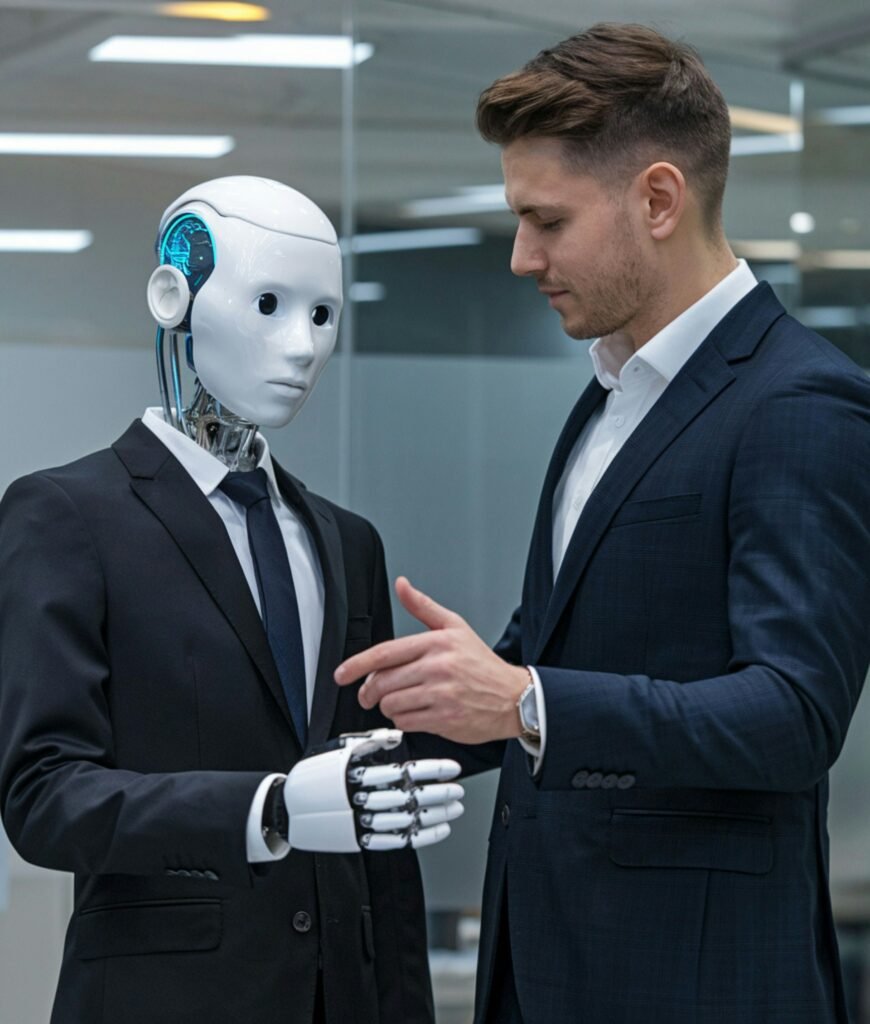
In the coming decade, we can expect:
- Smarter home devices
- More secure cybersecurity systems
- AI-powered medical treatments
- Better environmental monitoring
- Breakthroughs in robotics and automation
And as AI grows, the demand for ethical guidelines will also rise—ensuring technology remains safe and fair.
Conclusion: Your Next Step in the AI Journey
Artificial Intelligence and Machine Learning are shaping the future of technology in ways we could only imagine a few years ago. Whether you’re a student exploring tech, a beginner developer, or someone interested in the digital world, now is the perfect time to dive into AI.
Call to Action:
Start learning, experimenting, and exploring AI today. Your ideas could shape the next generation of technology.
